
Digital Pathology tools
for research workflows
Advances in cancer research increasingly depend on quantitative histology and computational analysis. From whole-slide imaging to spatial tissue modeling, robust digital workflows are essential. I develop practical tools that bridge image processing and AI-driven infrastructure for reproducible biomedical research.
Featured tools
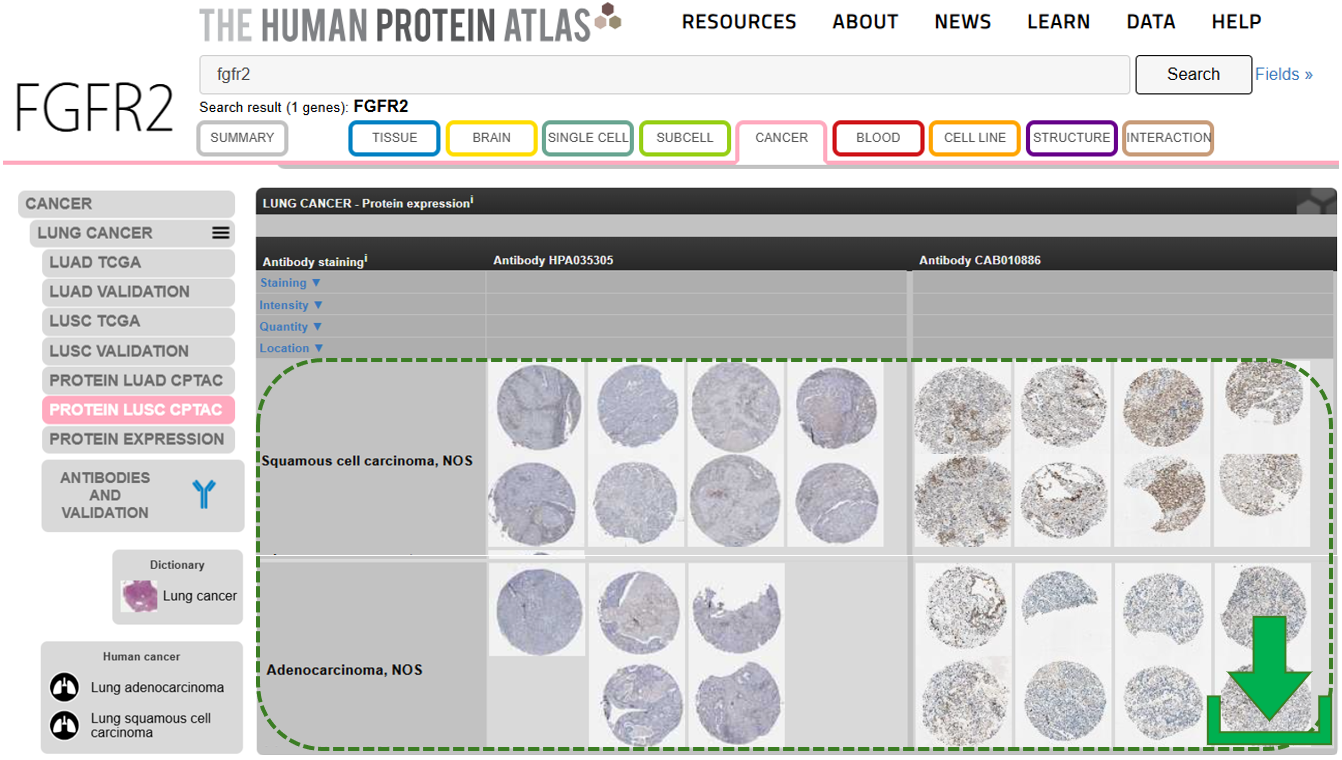
HPA Image Downloader
Automates downloading IHC cancer images from Human Protein Atlas and generates structured folders + CSV metadata summaries.
Open page
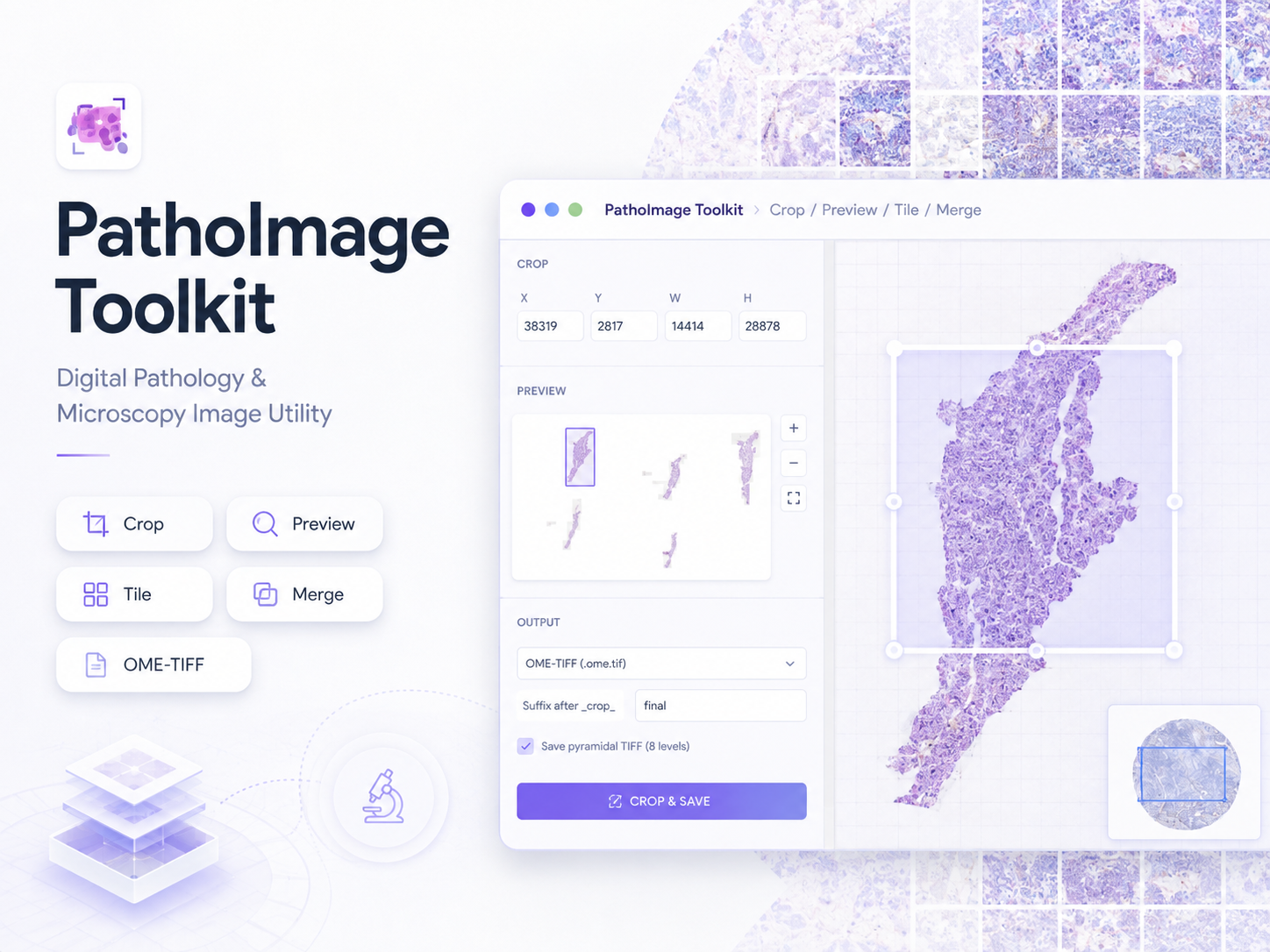
PathoImage Toolkit
Digital pathology and microscopy image utility for WSI preview, ROI cropping, tiling, reconstruction, downsampling, OME-TIFF, Leica LIF and annotation-aware workflows.
Open page
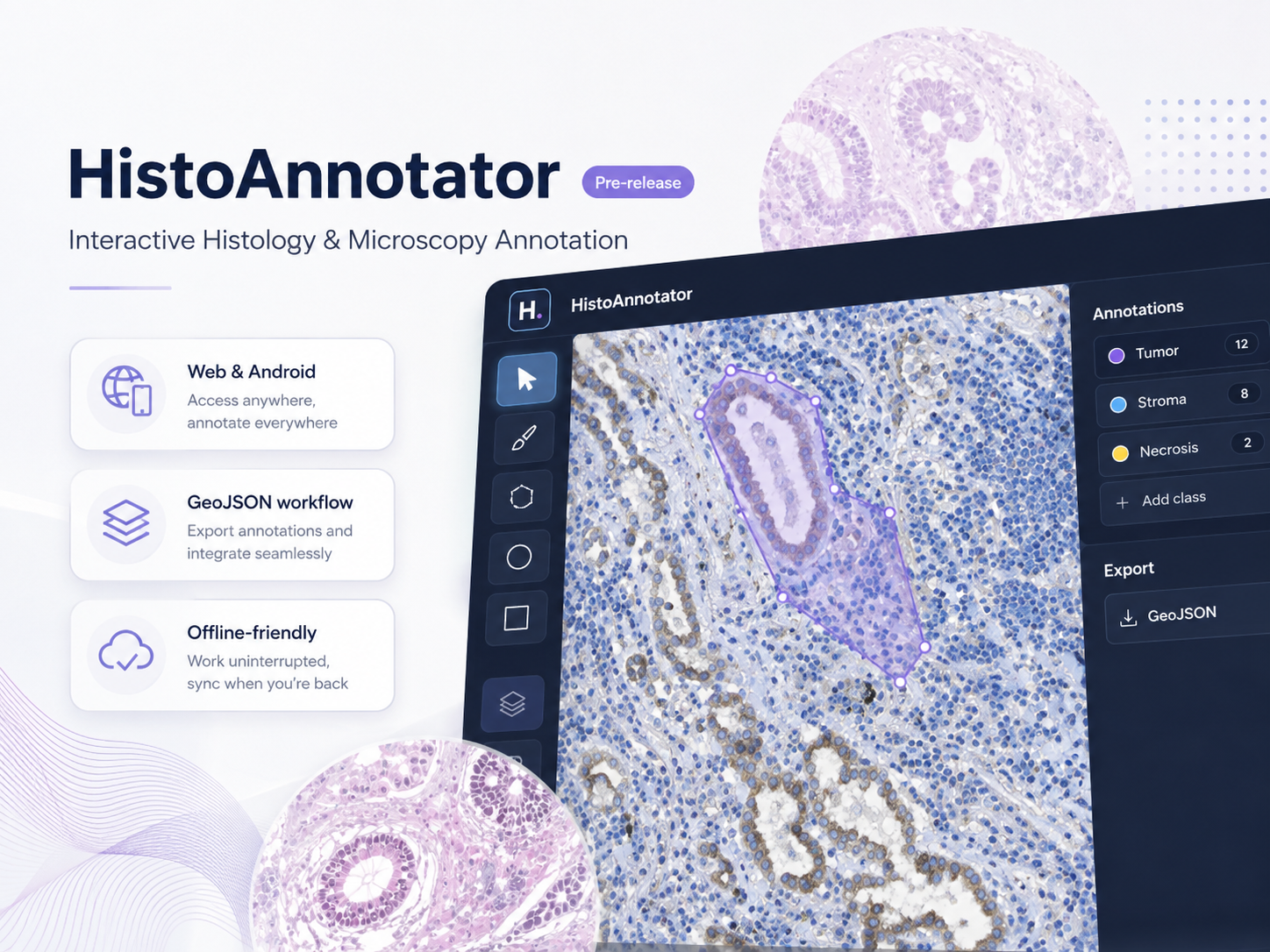
HistoAnnotator
Web and Android application for WSI and microscopy annotation with QuPath-compatible GeoJSON, local-first workflows and multichannel fluorescence visualization.
Open page
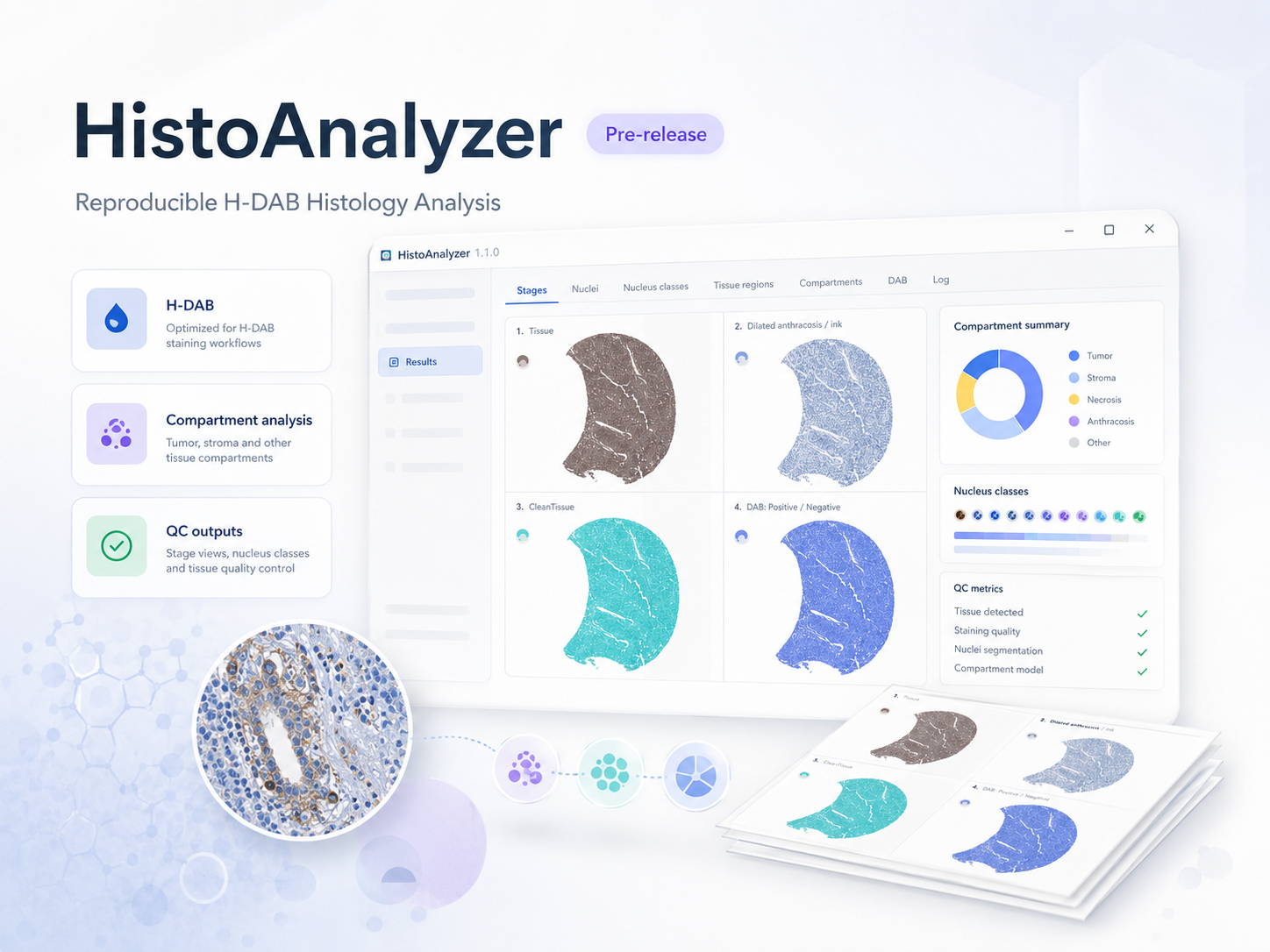
HistoAnalyzer
Cross-platform H-DAB analysis application combining tissue and artifact classification, nuclei segmentation, compartment prediction and DAB quantification.
Open page
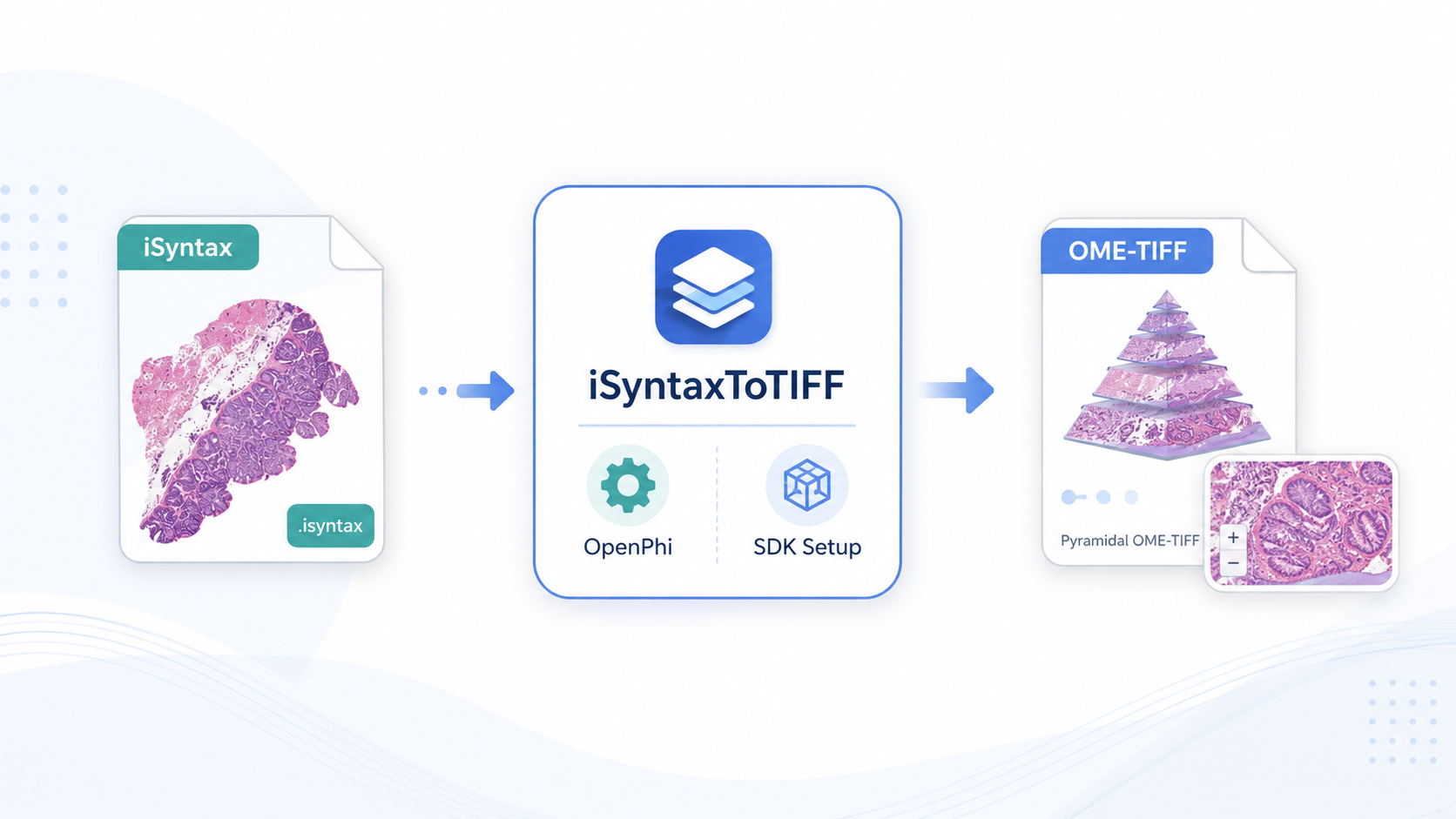
iSyntaxToTIFF
Converts Philips .isyntax whole-slide images to pyramidal RGB OME-TIFF
using OpenPhi and the Philips Pathology SDK.
Open page
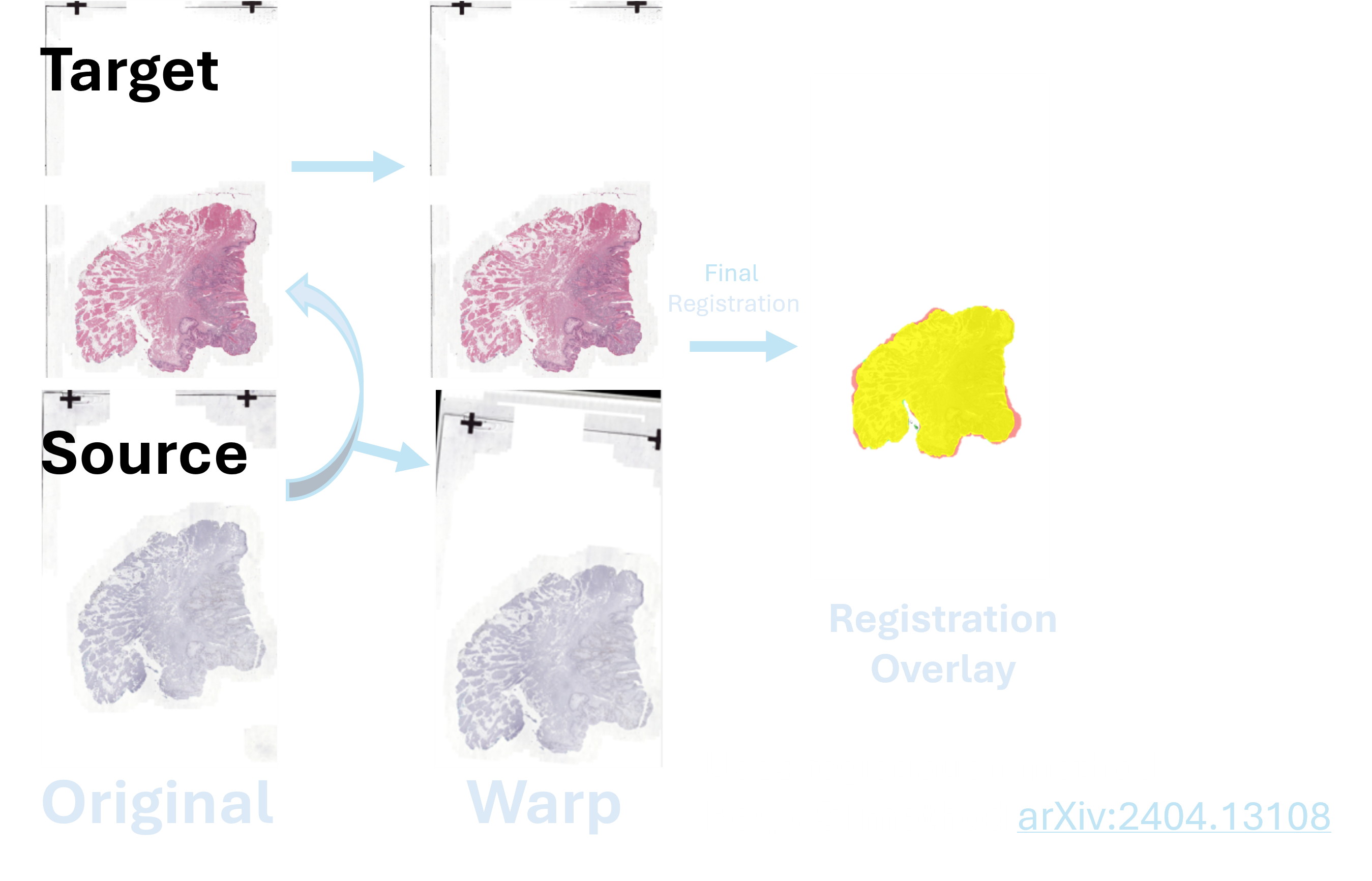
HistRegGUI
Desktop GUI for histology image registration using DeeperHistReg presets (initial, rigid, nonrigid) with CPU-only execution.
Open page
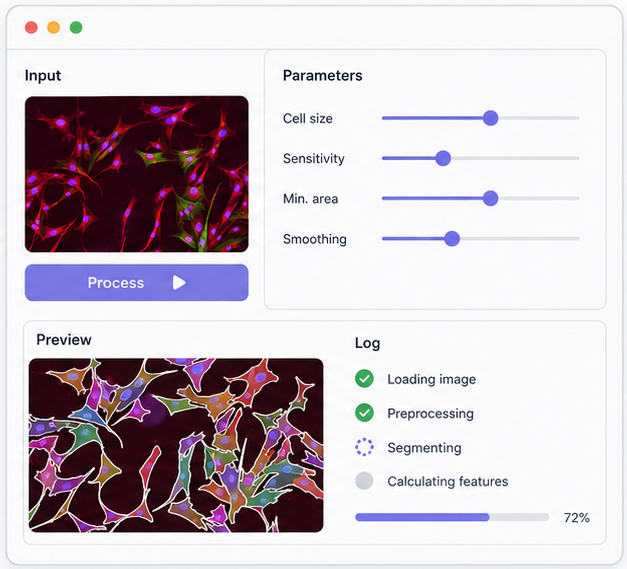
Cell Well Segmentation
Desktop GUI for immunofluorescence cell segmentation, feature extraction, Manders colocalization, QuPath GeoJSON export and optional DICE validation with ground-truth annotations.
Open page
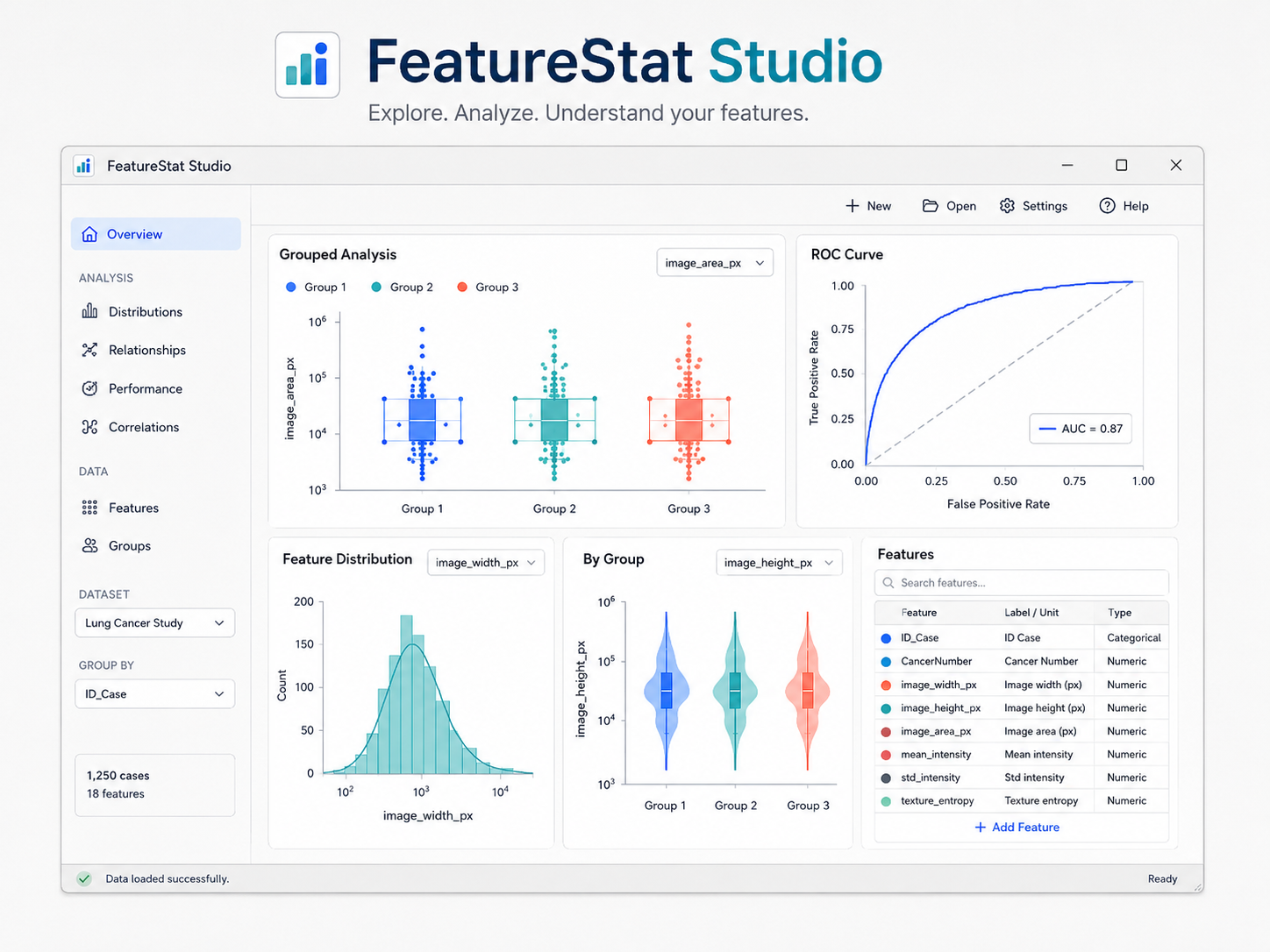
FeatureStat Studio
Desktop GUI for rapid grouped statistical exploration, quick data visualization, histograms, ROC biomarker evaluation and multi-feature batch analysis.
Open page
QuPath GeoJSON Converter
Converts external GeoJSON annotation files into QuPath-compatible annotations, detections and class-based objects.
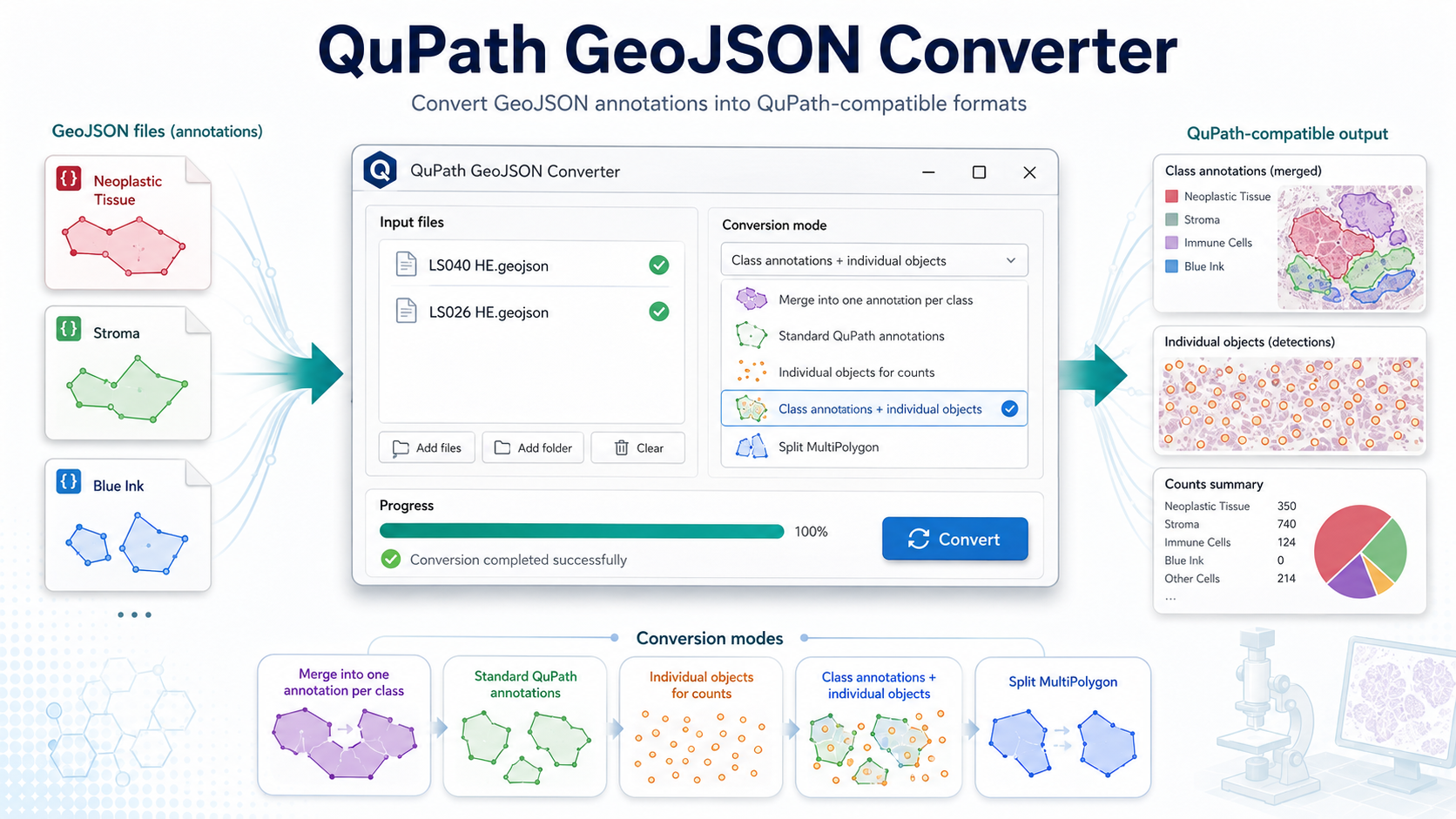
Open page
What I’m building next
Currently developing a robust end-to-end pipeline that transforms whole-slide images (WSI) into structured, analysis-ready data. The workflow includes automated tissue detection, artifact removal, efficient patch extraction and storage, and segmentation modules designed for quantitative characterization of the tumor microenvironment (TME). The goal is to enable scalable, reproducible analysis from raw histology to biological insight.